Loading...
Sustainability at Adaptas Pack

Packaging that is made to come back around.

At Adaptas Pack, we believe responsible packaging is part of quality. Every bag, box and label we make protects a product. We also want it to protect the resources it came from. That is why circularity is built into how we source, design and produce.

Our customers face growing pressure from consumers, retailers and regulators to prove that their packaging is responsible. We help them meet that pressure with real options: recycled raw materials, certified paper, simpler structures and the data they need for their own reporting.

Our commitments Your ESG targets
100%recycled raw material available on request
0–100%recycled content, set to each customer's targets
100%recyclable products
FSC®paper and board from certified producers
Our public commitments

Five commitments that guide every order we produce

Sustainability is not a separate product line for us. It is a choice our customers can make on every order, backed by the materials, sourcing and design decisions we control. These are the commitments we make publicly, and we hold ourselves to them.

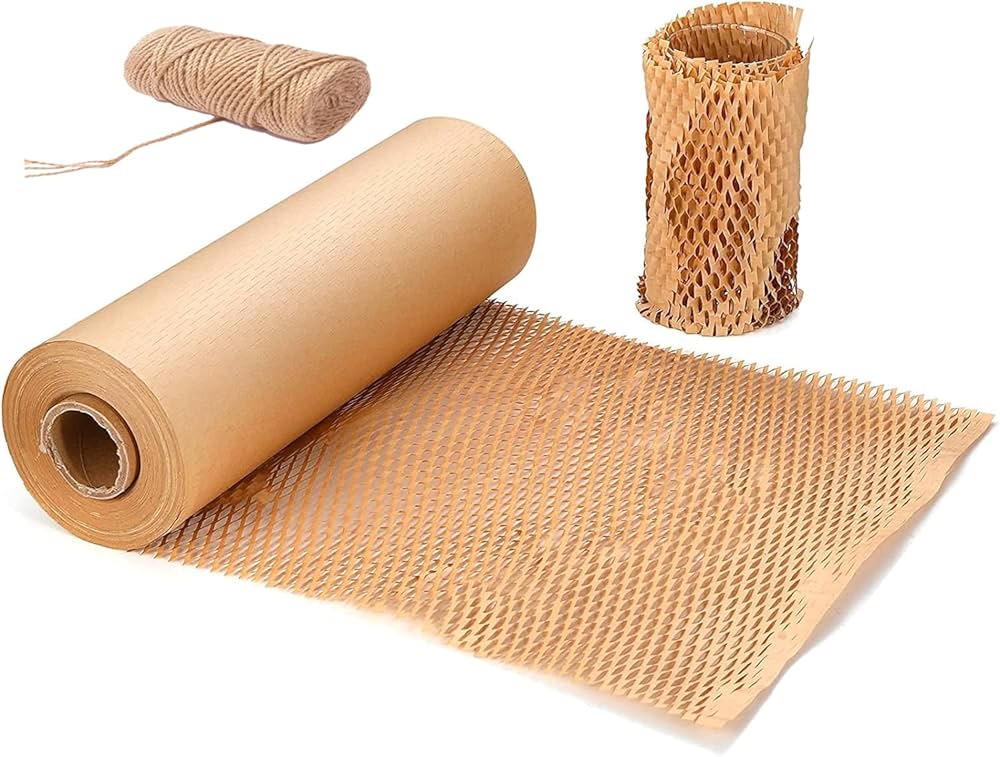
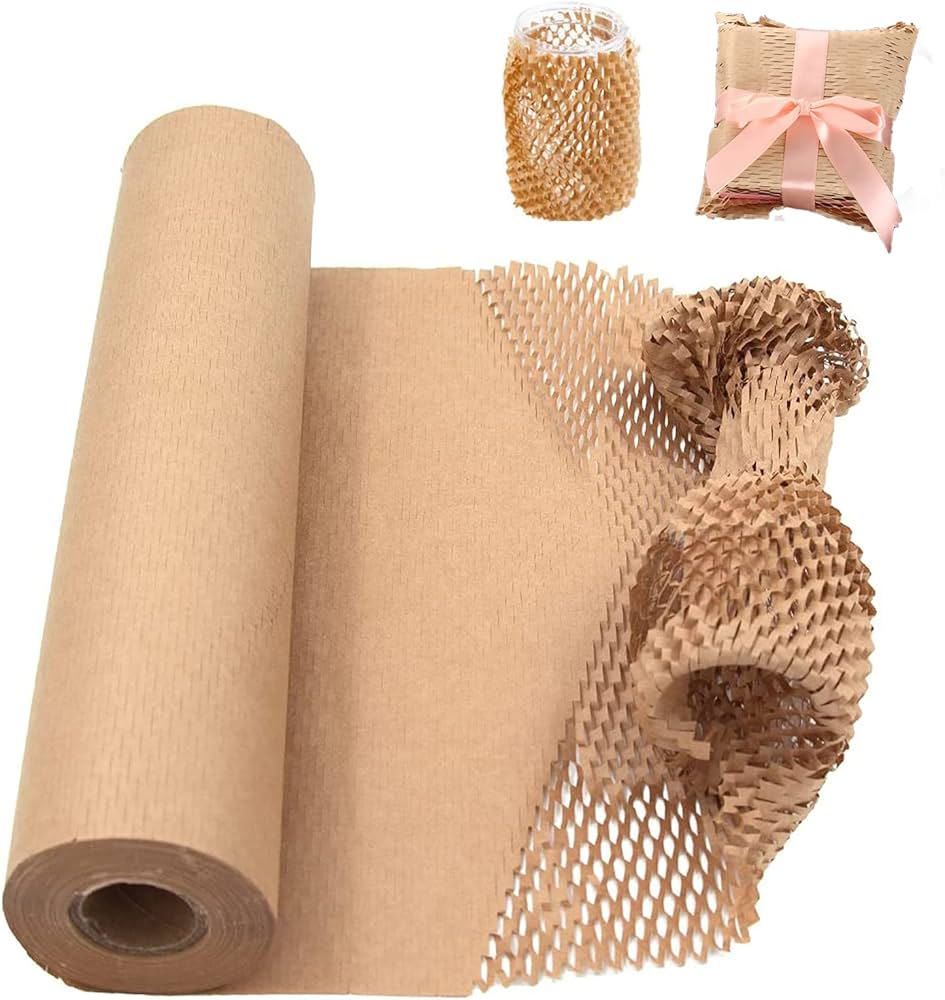
Kraft paper honeycomb cushioning roll
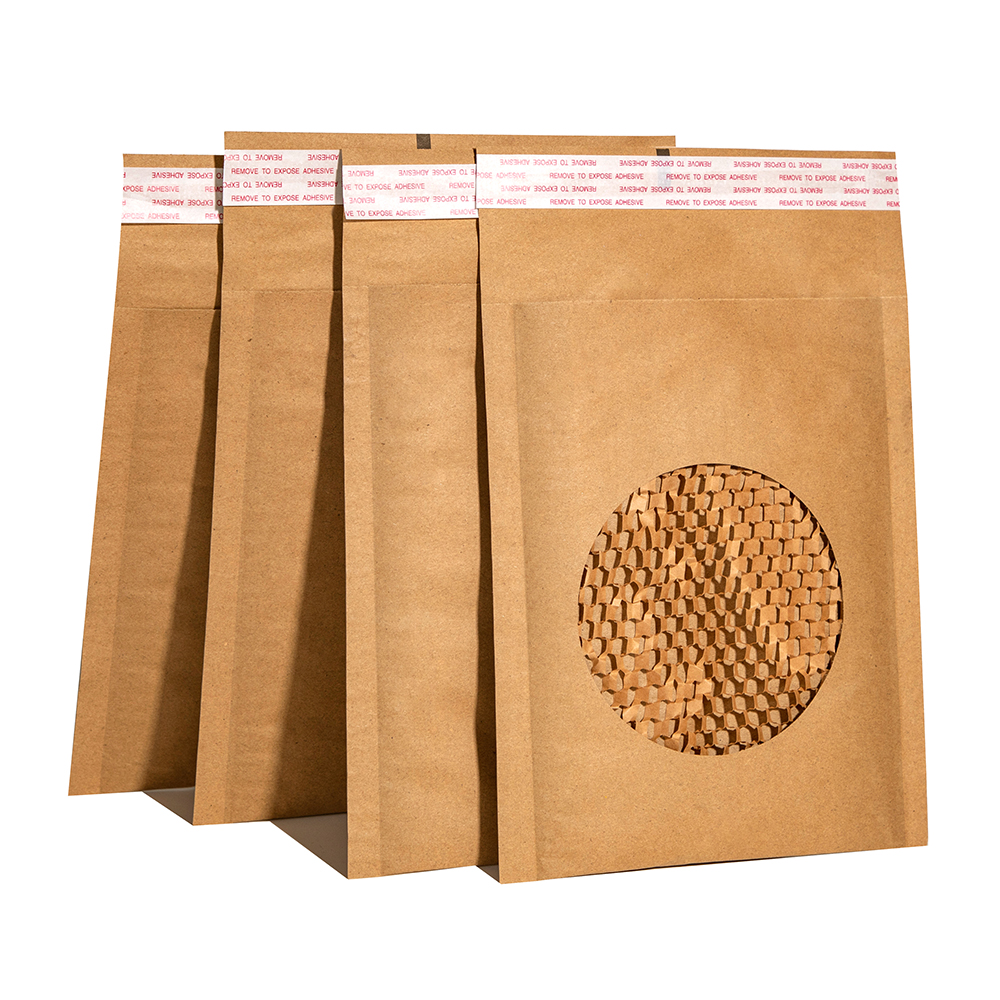
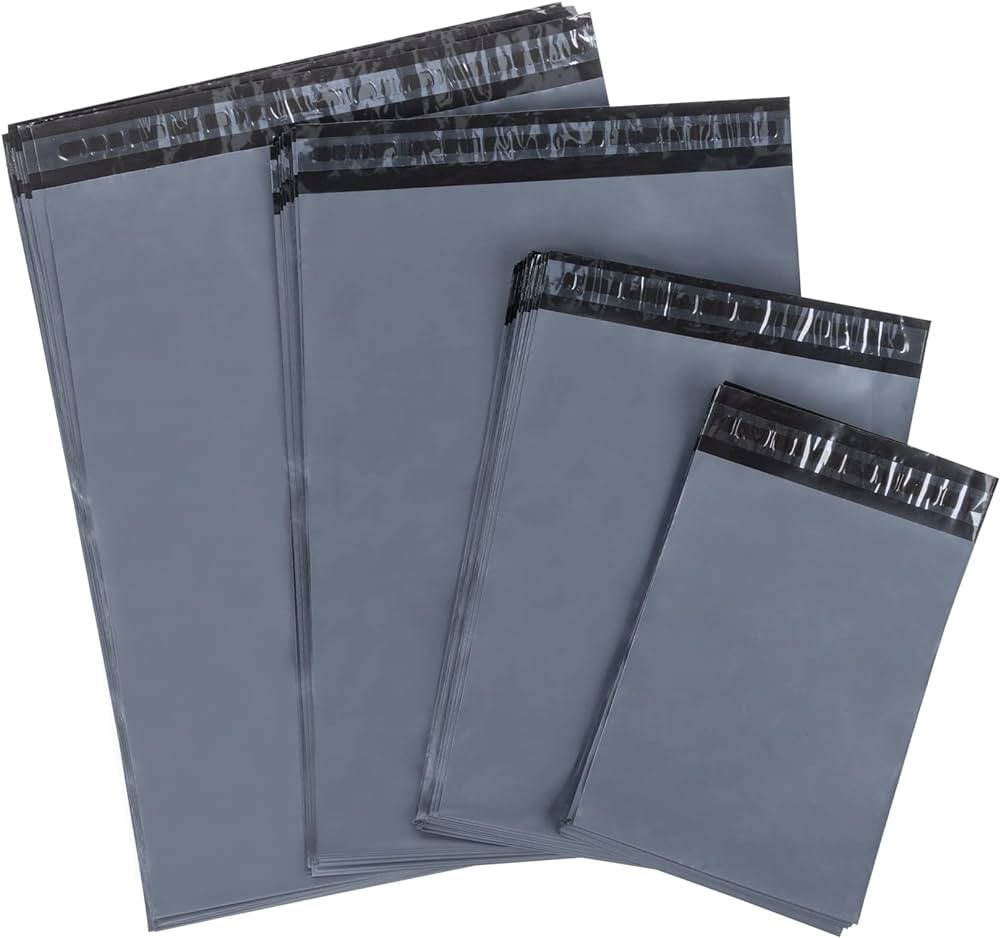
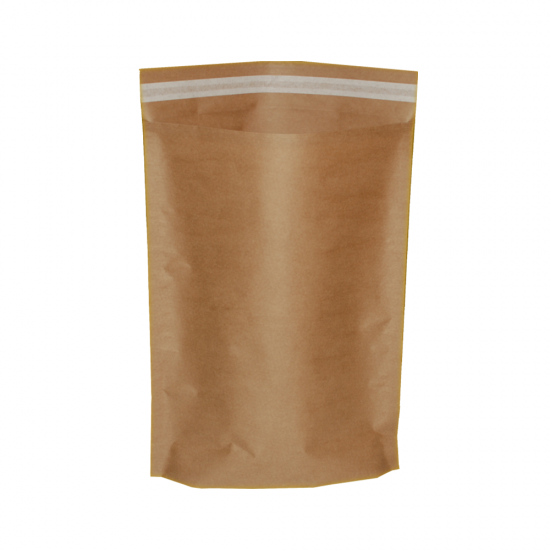
Kraft paper e-commerce mailer
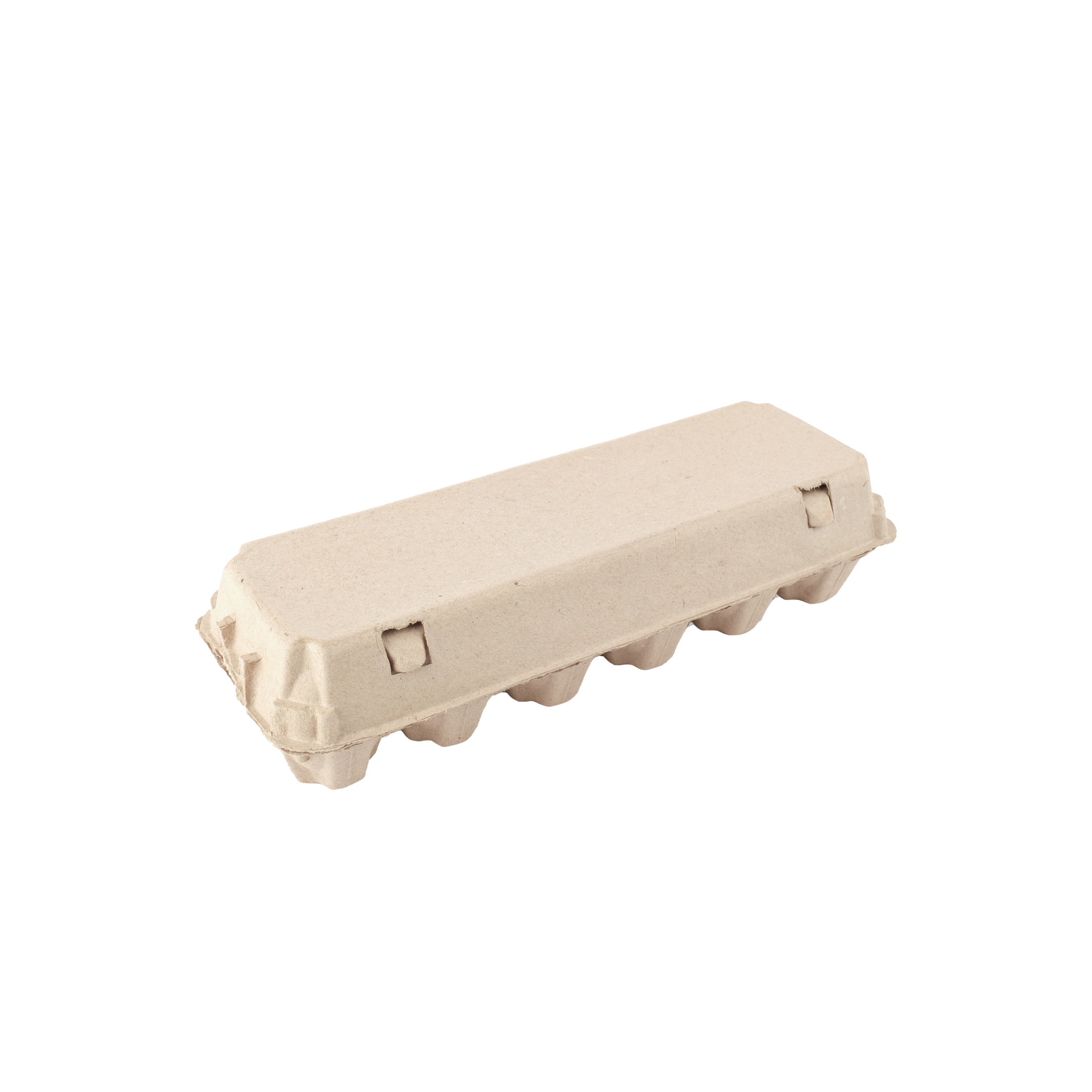
Moulded fibre egg tray
1
Up to 100% recycled, 100% recyclable

Closing the loop on materials

Whenever a customer needs it, we can produce with 100% recycled raw materials. That means the packaging you put on the shelf is made from material that has already had a life, instead of new, virgin resources.

Our products are also 100% recyclable. When packaging reaches the end of its use, it can go back into the recycling stream and become raw material again.

Recycled material is only valuable if the packaging still does its job. Before switching a product to a higher recycled share, we test strength, sealing, clarity and print quality together with you, so the move to recycled content never puts your product or your brand at risk.

  • 100% recycled raw material available whenever you request it
  • Quality and performance agreed with you on every project
  • Products designed to re-enter the recycling stream at end of life
2
Flexible recycled content

Recycled content set to your targets

Every brand is on its own sustainability path. Some customers need a specific recycled share to meet a public goal. Others need to balance recycled content with a technical or visual requirement.

That is why we already produce with any share of recycled raw material, from 0% to 100%. We agree the right mix with you at the start of each project, so your packaging supports your own sustainability reporting from day one.

This flexibility also helps with regulation. Many markets now set minimum recycled content levels for plastic packaging or tax packaging that falls below them. Choosing the share per order lets you reach those thresholds product by product, without changing suppliers.

  • Recycled share chosen per product and per order
  • Step up the recycled share over time as your targets grow
  • Clear documentation of recycled content for your records
Recycled content in your order 70%
Recycled raw material Virgin raw material
Move the slider to see the range we can produce, from 0% to 100% recycled.
3
FSC®-certified paper & board

Paper from responsibly managed forests

For our paper and board products, we work with FSC®-certified producers. FSC certification means the fibre can be traced back to forests managed to strict environmental and social standards.

We can also export these products with FSC® certification, so brands that need certified paper packaging can rely on us from sourcing all the way to delivery.

Paper-based options are a growing part of our range: honeycomb cushioning that replaces plastic bubble wrap, padded paper mailers, kraft bags and moulded fibre egg packs. Each one goes back into the paper recycling stream after use.

  • Paper and board sourced from FSC®-certified producers
  • Products can be exported with FSC® certification
  • Fibre-based options that are widely recyclable
Our choice for paper

We choose FSC®-certified paper for our paper products

In the production of our paper and board products, we prefer to use FSC®-certified paper. It is a deliberate choice: the fibre comes from forests managed to protect biodiversity, respect the rights of workers and local communities, and keep the forest healthy for generations to come. For our customers, it means paper packaging they can present with confidence.

Responsible forestryFibre from forests managed to strict environmental and social standards
Traceable supply chainThe origin of the paper can be followed from forest to finished product
Ready for exportCertified paper products that can be shipped with FSC® certification
How it works

The life of an Adaptas Pack product

Circular packaging only works when each step is planned. Here is how our choices fit together, from raw material to the next life of the product.

SourceRecycled raw materials in the share you choose, and paper from FSC®-certified producers.
DesignStructures that use less material and keep components easy to separate and recycle.
ProduceEfficient production that cuts waste, energy use and emissions in our own operations.
UsePackaging that protects and presents your product with the quality your brand expects.
Recycle100% recyclable at end of life, ready to become raw material once again.
4
Carbon footprint reduction

Lowering the footprint of our operations

Using recycled raw materials is one of the most effective ways to lower the carbon footprint of packaging. It avoids much of the energy needed to make new material from scratch. Every order that moves to a higher recycled share helps.

Inside our own facility, we are committed to reducing emissions year on year. We focus on the areas we control directly: how much energy we use, where that energy comes from, and how much material we waste.

For our customers, packaging is part of the emissions in their supply chain (Scope 3). Lighter, right-sized packaging with more recycled content lowers those emissions too, and we can share the material and weight data your team needs to calculate them.

  • Measuring and tracking the energy use of our production
  • Improving energy efficiency in machinery and processes
  • Reducing production waste and scrap
  • Moving toward renewable electricity where available
5
Design for recyclability

Better packaging starts at the drawing board

Most of a package's environmental impact is decided before production begins. That is why we work closely with our customers' design and sourcing teams to find packaging that uses less material and is easier to recycle, without giving up the look and performance your brand needs.

New rules are moving in the same direction. In the EU, packaging will need to meet recyclability grades and keep empty space to a minimum. Designing for recycling today means fewer costly redesigns later.

Mono-material firstSingle-material structures wherever possible, so packaging is simpler to recycle.
Right-sizedDimensions and thickness matched to the product, so no material is wasted.
Easy to separateWe avoid hard-to-recycle components and mixed materials that can't be pulled apart.
Built with youSamples and options reviewed together before you commit to production.
Supporting your ESG targets

Packaging that helps your ESG report, not hurts it

More and more of our customers report on environmental, social and governance (ESG) performance, for investors, retail partners or regulation such as the EU's Corporate Sustainability Reporting Directive (CSRD). Packaging shows up in those reports as material use, waste and supply-chain emissions. We make it easier for that part of your report to be both positive and well documented.

E

Environmental

The targets most brands set for packaging: more recycled content, less virgin plastic, recyclable formats and lower emissions.

  • 0–100% recycled content per order
  • Recyclable mono-material and paper options
  • Lighter, right-sized packs that cut material and freight
S

Social

Responsible sourcing matters as much as the material itself. We choose partners who share our standards.

  • Paper from FSC®-certified, responsibly managed forests
  • Supplier documentation available on request
  • Safe, reliable packaging that protects your products and customers
G

Governance

Reliable claims need reliable data. We keep records that hold up when your auditors or retail partners ask questions.

  • Order-level traceability of materials
  • Compliance with applicable environmental law
  • Regular review of our own commitments
Data for your reporting

What we can provide for your ESG reporting

Tell us which framework or report you are working on, and we will prepare the packaging information you need for each product and order.

  • Recycled contentDeclared share of recycled raw material per product and order
  • Material compositionPolymer or fibre type and structure of each pack, for recyclability assessments
  • Weights per unitPackaging weight per item, for EPR fees, plastic taxes and footprint calculations
  • FSC® informationCertificate details and claims for certified paper orders
  • Supplier documentsRelevant environmental and material declarations from our raw-material suppliers
  • Improvement optionsPractical proposals to raise recycled content or reduce material over time
CSRD / ESRS E5GHG Protocol Scope 3CDPEcoVadisSBTiEU PPWREPR reporting
Regulation ready

Preparing for the new packaging rules

Packaging rules are tightening across our customers' markets. The EU Packaging and Packaging Waste Regulation (PPWR) is the most important change, and it applies to anyone who places packaging on the EU market, including exporters from Türkiye. Here is what it means and how we help you prepare.

Feb 2025PPWR, Regulation (EU) 2025/40, enters into force.
Aug 2026The regulation applies across the EU. Labelling, documentation and EPR rules start to phase in.
2030Packaging must be recyclable (grades A–C). First minimum recycled content levels for plastic. Empty space in transport and e-commerce packs is limited to 50%.
2035Packaging must also be recycled at scale, not only recyclable in theory.
2040Higher minimum recycled content levels for plastic packaging.
Minimum recycled content in plastic packaging under the PPWR
Packaging type20302040
Contact-sensitive packaging made mainly of PET30%50%
Other contact-sensitive plastic packaging10%25%
Single-use plastic beverage bottles30%65%
All other plastic packaging, such as courier bags, films and industrial bags35%65%

Shares are per unit of packaging, averaged per manufacturing plant and year. Some packaging types are exempt. Summary for information only, not legal advice.

Already able to meet 2040 levelsWe produce with 0–100% recycled raw material today. Products in the "other plastic packaging" category can already reach the 65% level set for 2040.
UK Plastic Packaging TaxPlastic packaging with less than 30% recycled content is taxed in the UK. Choosing a recycled share of 30% or more per order keeps your packs out of the tax.
Türkiye: EPR and GEKAPIn Türkiye, packaging is covered by extended producer responsibility under the Packaging Waste Control Regulation, and the recovery contribution fee (GEKAP) applies to certain products. Our weight and material data supports your declarations.
Our promise of transparency

Commitments are only as strong as the follow-through

We track our progress against every commitment on this page and share regular sustainability updates with our customers. If you need information for your own sustainability reporting, such as recycled content or the source of paper materials for a specific order, our team will provide it.

We request the relevant environmental and material documents from our suppliers and share them with customers who ask. We comply with applicable environmental law, and we review these commitments regularly so that they keep improving.

  • Regular progress updates for our customers
  • Order-level information on recycled content and sourcing
  • Open, honest answers to your sustainability questions
Contact our sustainability team
Frequently asked questions

Sustainability questions we hear most

Does recycled content affect quality or appearance?

Recycled raw material can change colour, clarity and strength slightly, depending on the share and the product. That is why we agree quality targets and test samples with you before production. For most applications, the difference is small or invisible.

Can you document the recycled content of my order?

Yes. We can provide the declared recycled share per product and order, together with supporting documents from our raw-material suppliers, for your reports and audits.

Is there a minimum order quantity for recycled options?

Recycled and standard materials run on the same lines, so minimum quantities are usually the same as for standard production. Our team will confirm the details for your product.

Which is better: paper or plastic?

It depends on the product, the supply chain and where the packaging ends up. Paper is often preferred for e-commerce and protective packaging. Mono-material plastic with recycled content can be the lighter, lower-impact choice when moisture protection or clarity matters. We will help you compare the options honestly.

Do you supply FSC®-certified paper packaging for export?

Yes. Our paper and board products come from FSC®-certified producers, and these products can be exported with FSC® certification.

How do you help with EU PPWR compliance?

We help in three ways: we design packs with recyclability in mind, we offer recycled content at the levels the regulation requires, and we supply the material and weight data you need for documentation and EPR reporting.

FSC® is a registered trademark of the Forest Stewardship Council®. Regulatory information is a simplified summary of Regulation (EU) 2025/40 and related rules, provided for information only.